PIM/DAM Deployment Assistance
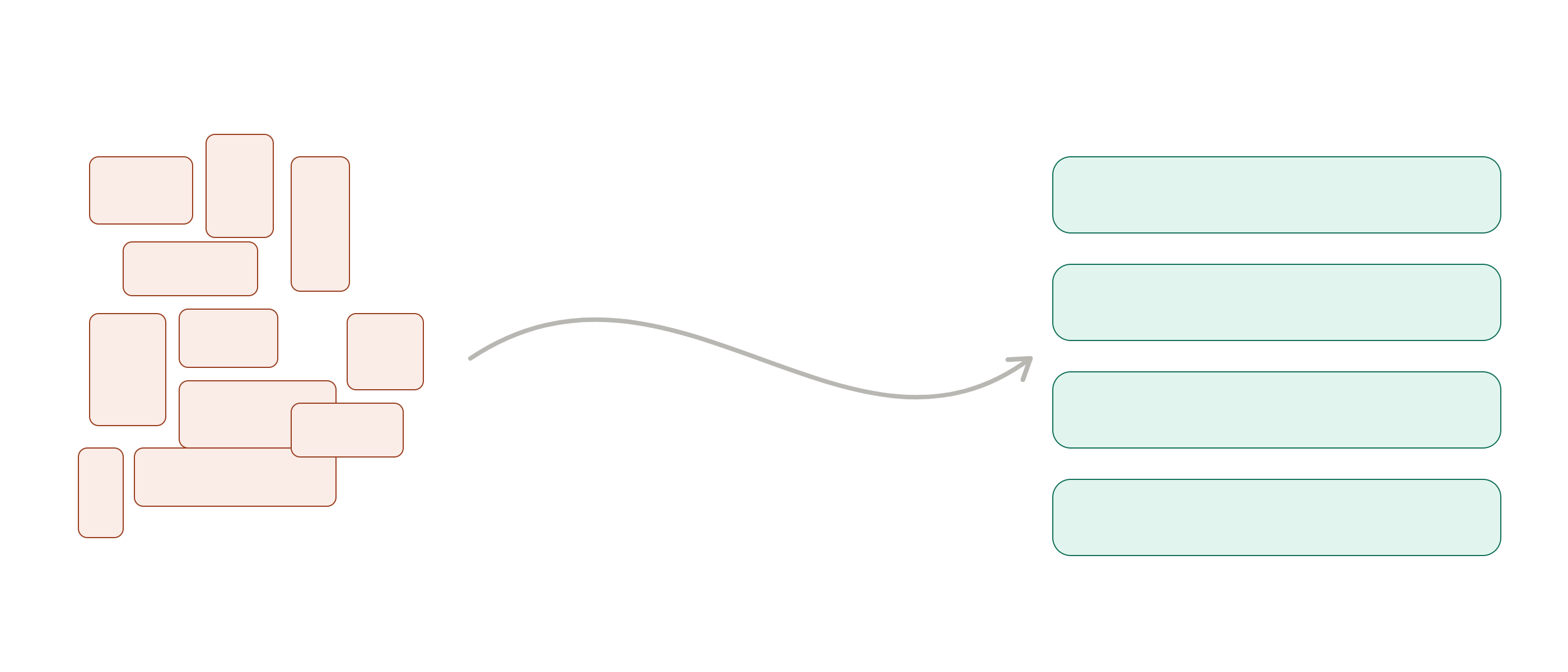
PIM (Product Information Management) and DAM (Digital Asset Management) are systems designed to centralize the management of product information and asset data, such as videos, photos, and catalog data, enabling seamless information sharing across departments. Our "PIM/DAM Implementation Support" service provides comprehensive assistance, from initial implementation to operational support.
By leveraging PIM/DAM, businesses can expect improved precision in marketing strategies, quicker updates to product information, and enhanced operational efficiency.
-
01

Analysis
The first step to successfully implementing PIM/DAM is to accurately understand the current state and identify key challenges. We thoroughly analyze the existing product information management processes to clarify the true issues.
Initially, we conduct detailed assessments through hearing sessions to review current product information management workflows and operational structures. By engaging with departments such as Sales, Marketing, and Manufacturing, we identify their specific challenges and discuss how PIM/DAM can provide effective solutions. Particular attention is given to cases where information is dispersed or duplicate data exists, emphasizing the necessity of centralized management.
To ensure clarity on the purpose of PIM/DAM implementation, we define specific goals and KPIs (e.g., reducing data update times by 50%). In addition to addressing current challenges, we propose solutions that also anticipate future business expansion needs.
-
02

System Design
We select PIM/DAM tools tailored to industry and specific requirements, and design optimized data structures and business processes.
From the wide array of tools available in the PIM/DAM market, we identify the most suitable solution for each client. For instance, if multilingual support is required or integration with existing systems is necessary, we propose tools that can meet these needs.
Next, we organize product information attributes (e.g., SKUs, specifications, pricing) and related asset information, designing a unified data schema to enable efficient information management.
Additionally, we restructure workflows and approval processes to ensure smooth operations after PIM/DAM implementation. We also meticulously design system integration specifications for CMS and e-commerce platforms, building a foundation that seamlessly integrates with the client’s existing environment.
-
03

Installation
To ensure smooth system implementation and data migration, we thoroughly prepare and execute the process. Trial runs are conducted to guarantee a successful implementation.
We handle the installation and initial configuration of PIM/DAM tools, customizing them to fit the client’s workflows. Existing data is carefully reviewed to identify and correct inconsistencies and duplicates before migrating to the new system. This process includes data cleaning and transformation, with repeated post-migration testing to ensure data accuracy.
After implementation, we conduct trial runs focusing on a limited product range to verify system functionality and optimize workflows. This minimizes the risk of issues during the full-scale launch.
-
04

Support
We establish a robust support structure to ensure smooth operations post-implementation, including training sessions to fully empower clients in utilizing their PIM/DAM systems.
Post-implementation, we provide hands-on training for client teams to effectively use the system, covering everything from basic operations to advanced functionalities. Comprehensive manuals and video guides are provided, allowing clients to revisit instructions as needed.
Additionally, a dedicated support desk is set up during the initial stages of operation to quickly address any questions or issues. Regular reviews are conducted to analyze operational status and provide improvement recommendations. We also share ideas for system enhancements and further efficiency improvements, offering long-term support for the client’s business growth.
Ore no Drupal
This is a tech blog of Acret Inc.
We will irregularly post contents related to web development and operation, with a focus on Drupal technology.